Charleston water damage restoration guidance
Move quickly once you spot it, keep notes on what changed, and dry all the way into the framing—the pluff mud and humidity here mean a dry-looking surface can still be soaked underneath.
The parcel's mapped flood status is the first thing to establish, because it can decide both the insurance and the permitted repair. Standard homeowner policies exclude flood, which is insured separately, so in a low coastal city the origin of the water determines whether a claim responds -- and the floodplain record holds the parcel's status. Where damage is extensive relative to the building's value, floodplain rules can require the structure be brought closer to current elevation standards, which changes the project entirely. In a designated district, exterior reconstruction then faces preservation review as well. Document the source and extent before anything is removed.
No repair crew operates behind this page—it only routes Charleston requests to independent providers, and which ones have room on the calendar changes constantly.
The site shapes the plan
A Charleston County lot dictates as much of the plan as the damage itself.
The parcel's mapped flood status is the first thing to establish, because it can decide both the insurance and the permitted repair. Standard homeowner policies exclude flood, which is insured separately, so in a low coastal city the origin of the water determines whether a claim responds -- and the floodplain record holds the parcel's status. Where damage is extensive relative to the building's value, floodplain rules can require the structure be brought closer to current elevation standards, which changes the project entirely. In a designated district, exterior reconstruction then faces preservation review as well. Document the source and extent before anything is removed.
Charleston administers historic-preservation review and floodplain management in a low coastal city. Local district rules, current flood maps, elevation, drainage, wind, and salt exposure can materially change a project scope.
Review local sources →Pick a starting point
Find the path that matches your Charleston project.
The work that lasts
Details hidden later deserve attention now.
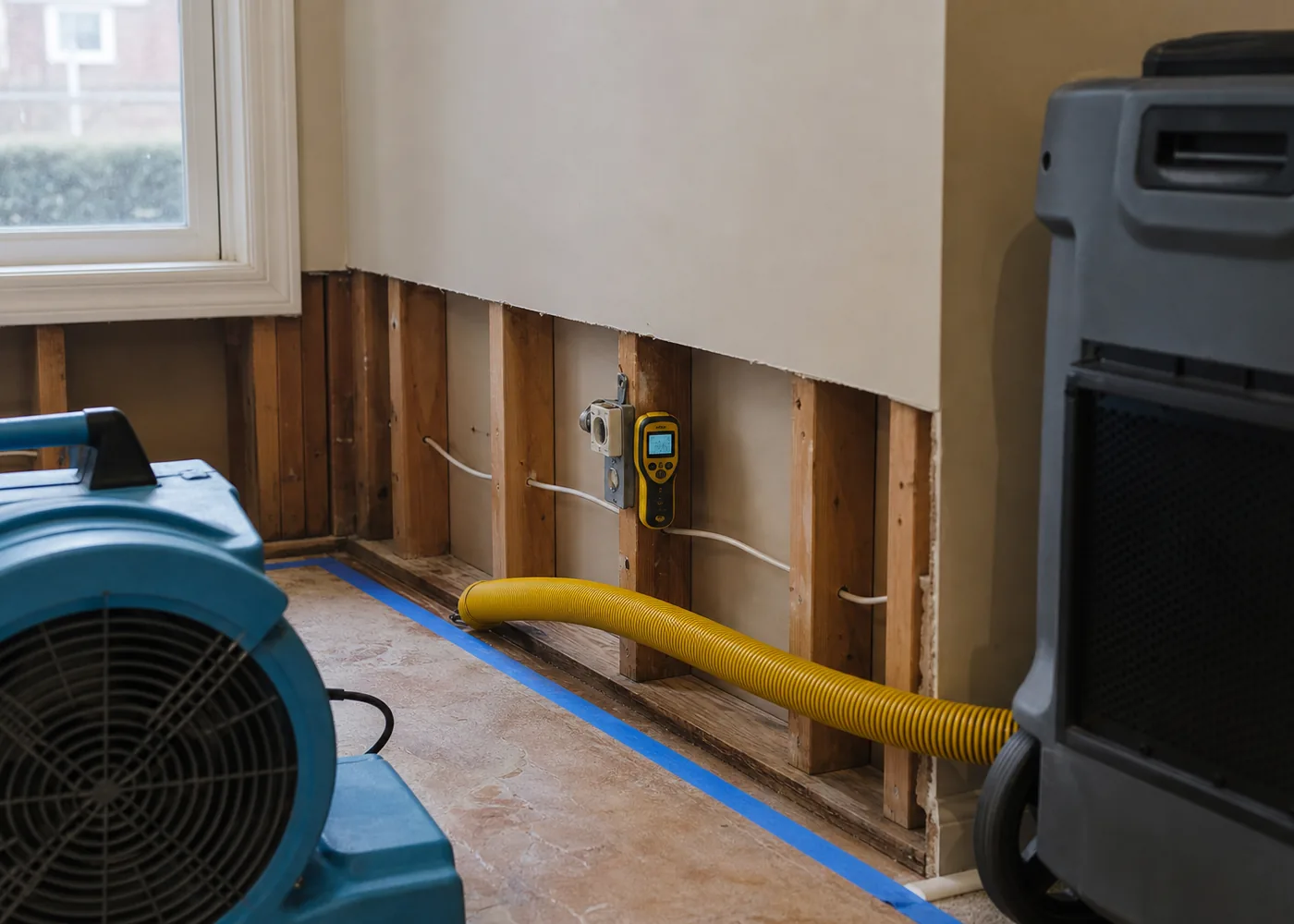
What's behind the surface -- cavities, wiring, framing porosity -- matters as much as what's visible, especially given a low-lying coastal peninsula prone to tidal flooding; availability from Charleston-area providers is never guaranteed here.
See a sensible project process →Local housing context
“Colonial and port-city development produced an unusually old urban fabric, while twentieth-century suburban growth spread across former marsh, islands, and higher ridges.”
Planning-level cost context
Compare scopes—not just totals.
The parcel's mapped flood status is the first thing to establish, because it can decide both the insurance and the permitted repair. Standard homeowner policies exclude flood, which is insured separately, so in a low coastal city the origin of the water determines whether a claim responds -- and the floodplain record holds the parcel's status. Where damage is extensive relative to the building's value, floodplain rules can require the structure be brought closer to current elevation standards, which changes the project entirely. In a designated district, exterior reconstruction then faces preservation review as well. Document the source and extent before anything is removed.
Tell us what you are planning
Give the first conversation something real to work with.
What gets submitted here may be passed to an independent local provider covering Charleston or one of the nearby Lowcountry communities.
Common questions
Where Charleston homeowners usually start.
Do you handle the repair work?
No -- this page only generates and routes Charleston-area inquiries; it isn't a contracting company.
Is a provider guaranteed to answer?
No. Coverage near Charleston shifts constantly; confirm credentials and scope directly with whoever you end up talking to.
Will a number on this page hold up?
No -- a defensible Charleston quote requires an in-person look at the house, the site, access, and scope.